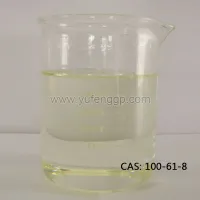
N-Methylaniline is a colorless to brown, viscous liquid that is insoluble in water and heavier than water. Exposure may cause irritation to the skin, eyes, and mucous membranes. It is primarily used as an intermediate in the production of various industrial chemicals.
N-Methylaniline (NMA) serves as a latent and coupling solvent and is widely used as an intermediate in the production of dyes, agrochemicals, and other organic compounds. However, NMA is toxic, and exposure may cause damage to the central nervous system, as well as liver and kidney failure if not handled properly.
In the petroleum industry, N-Methylaniline is a key component of monomethylaniline (NMA), a non-traditional antiknock agent increasingly adopted by fuel refiners and distributors worldwide to enhance the octane rating of gasoline. Typically, it is added to fuel at concentrations of around 1.3% by volume, which helps avoid excessive gum formation that can lead to carbon deposits in engine components.
In cases where higher concentrations are used, most regulatory authorities permit such levels provided that detergents and combustion modifiers are included in the blend to prevent gum buildup. When used within these limits, NMA-treated gasoline is no more toxic than other common components of conventional fuel formulations.
Recommended Personal Protective Equipment (PPE):
Use an approved respirator, rubber gloves, and splash-proof safety goggles when handling N-Methylaniline.
Symptoms of Exposure:
Inhalation: May cause dizziness, headache, and general weakness.
Ingestion: Can result in cyanosis (bluish discoloration of lips, earlobes, and fingernail beds) due to reduced oxygen transport in the blood.
Eye Contact: Liquid form causes eye irritation.
Skin Absorption: Can produce symptoms similar to ingestion, including cyanosis and systemic toxicity.
First Aid Measures:
Explore more:Inhalation: Move the affected person to fresh air immediately. Call a physician at once. Administer oxygen until medical help arrives.
Ingestion: Give the victim plenty of water to drink. Do not induce vomiting. Seek medical attention immediately.
Eye or Skin Contact: Rinse thoroughly with plenty of water for at least 15 minutes. If cyanosis develops, wash the body with warm water and soap, paying special attention to the scalp and fingernails. Remove and discard contaminated clothing safely.
Toxicity Data:
Inhalation (Threshold Limit Value): Data not available
Short-Term Inhalation Limits: Data not available
Ingestion Toxicity: Data not available
Delayed or Chronic Effects: Data not available
Vapor Irritation Characteristics: Data not available
Liquid/Solid Irritation Characteristics: Data not available
Odor Threshold: Data not available


Comments
Please Join Us to post.
0